
A New Era Begins in 2024
The Kids First Fund has a 25-year history of grant-making that helps children, parents, and teachers prevent child abuse among neglected and resource-starved people in the world. Starting in 2024, our mission is changing by equipping social entrepreneurs with small seed grants to enable their passion to help children. Our organization has travel industry roots and will focus on that network to identify projects and conduct fundraising. This page will soon tell new stories of how we partner with initiatives that are too small for big nonprofits. Please read on for more information about our first 25 years.
Our First 25 Years
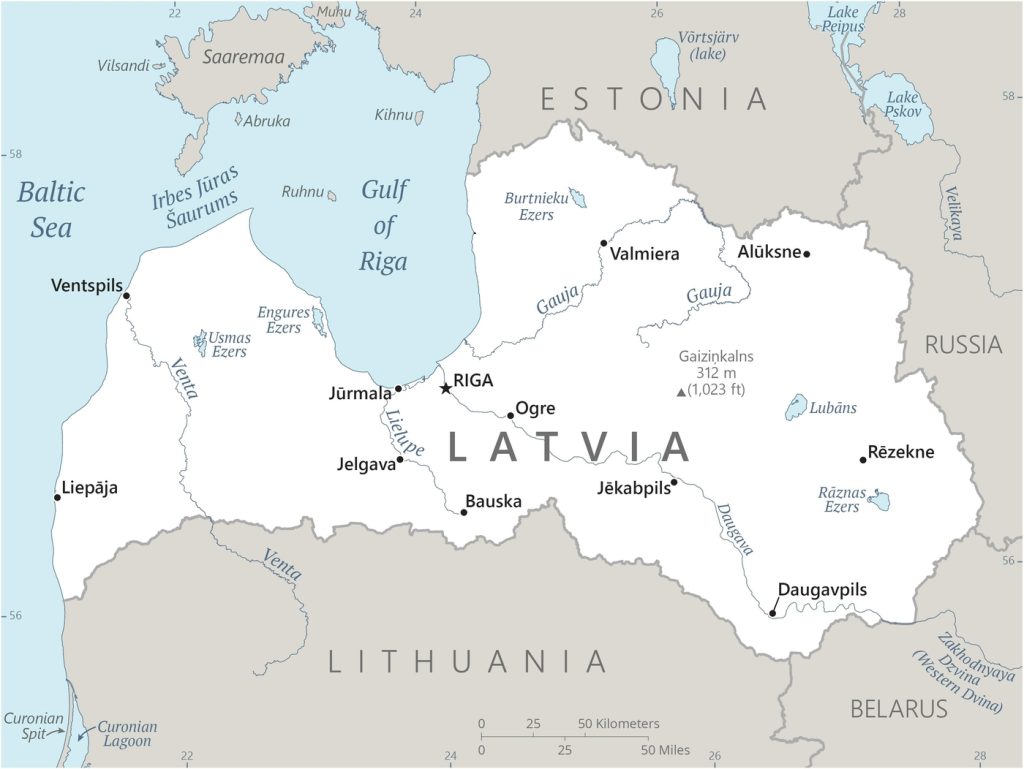
The Kids First Fund (KFF) received approval by the US Internal Revenue Service as a 501-c-3 charity on 01 November 1999. Jay Sorensen is the founder and remains its president. Jay’s association with Latvia began with the adoption of twin boys, Anton and Aleksei, in 1997. He and his wife Laura visited Latvia to complete the adoption and saw firsthand the need to help children. The timing was good, as the need was dire and the country had a low profile among major charities. Jay put together an initial board of 9 persons, which included Ojars Kalnins, who was Latvia’s Ambassador to the US at the time. Of the original board members, Bob Bahlman, Roger Grigulis, and Jay Sorensen continue to serve today.
The Republic of Latvia was our first grant destination in 2000. Our first partner was the Bulduri Family Care Center in Jurmala. Dr. Valdis Rande, the center’s executive director, would serve as a board member for many years, and remains one of our honorary Ambassadors to Children. The work at Bulduri supported Latvia’s first court-approved facility to interview child abuse victims, a shelter for abused and abandoned children, and countrywide professional seminars in 2001 and 2003 for the legal, police, medical and social work professions. KFF, along with Dr. Rande, gave exposure to child abuse when that topic was actively avoided by Latvian society. Arturs Irbe, an NHL goalie and a national treasure for Latvia, joined the KFF board in 2000.
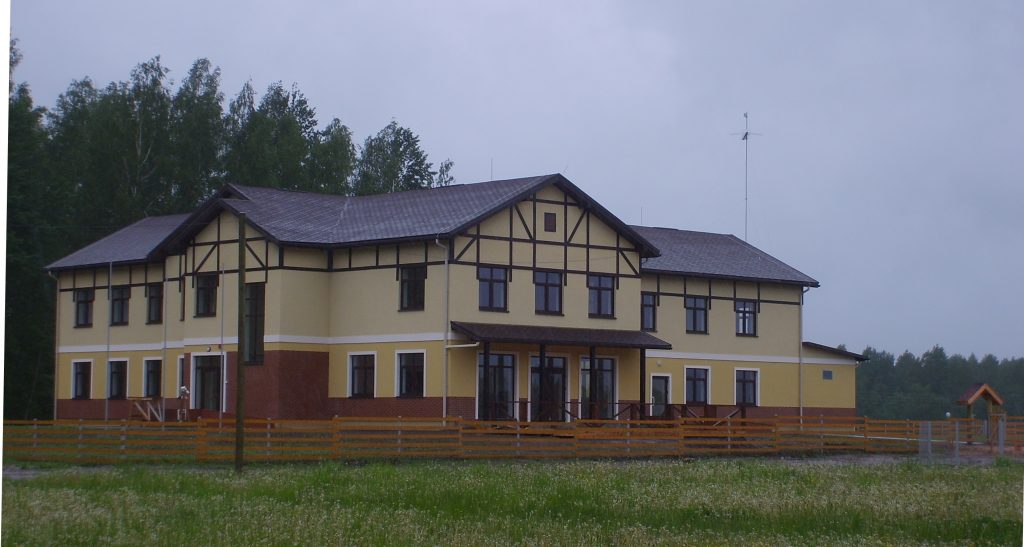
Involvement with the Latvia Children’s Fund began in 2005. KFF entered into a multiyear commitment for $120,000 as its share for the construction of a shelter for abused women and children. That amount would later grow to total $200,000. The $1.13 million shelter near the eastern Latvia town of Rugaji opened in 2009 with a capacity to serve 30 mothers and children. Grants to support the Latgale Regional
Support Centre would continue for many years to include an additional $60,000 grant in 2011 for expansion of the facility.
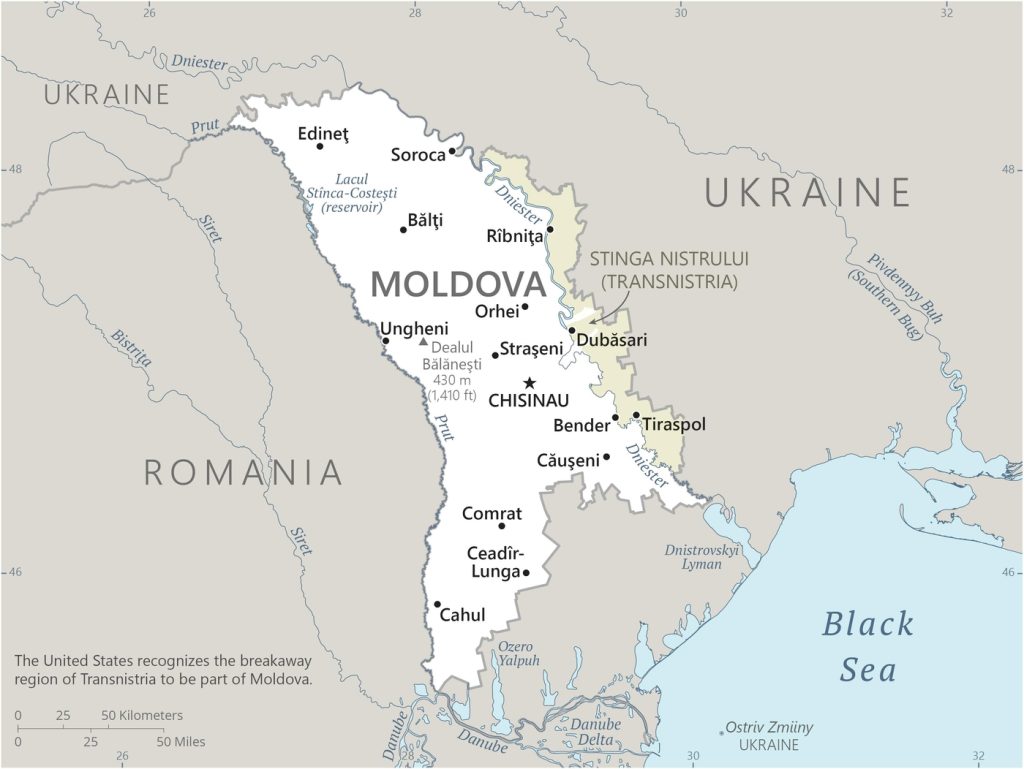
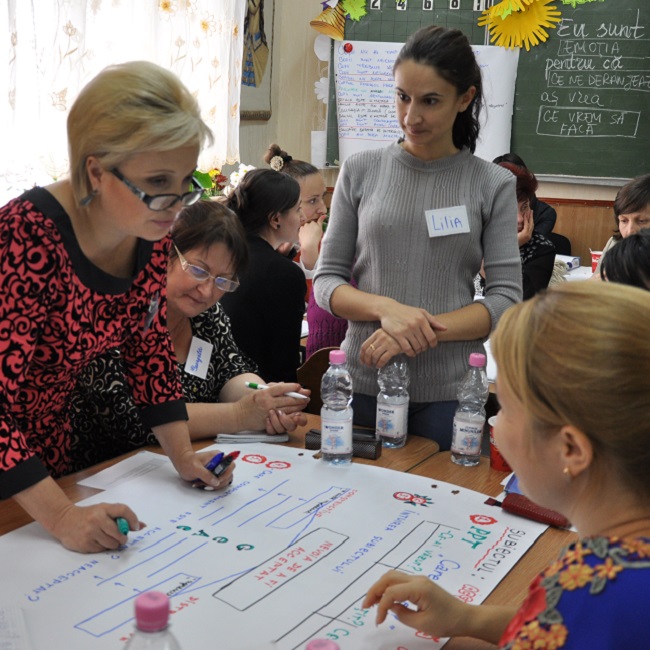
The Republic of Moldova was added to the grant destination map in 2010 through a grant to the Child Rights Information Center (CRIC). The 3-year project was our first school-based program which trained teachers to become aware of child abuse risks among older elementary school students. CRIC was a recognized champion of child rights, and the program included instruction, printed materials, and videos to equip children with tools to protect themselves. The robust relationship with CRIC continued through 2020 and reached more than 103,000 children, parents and teachers in virtually every district of Moldova with total grants in excess of $137,000.
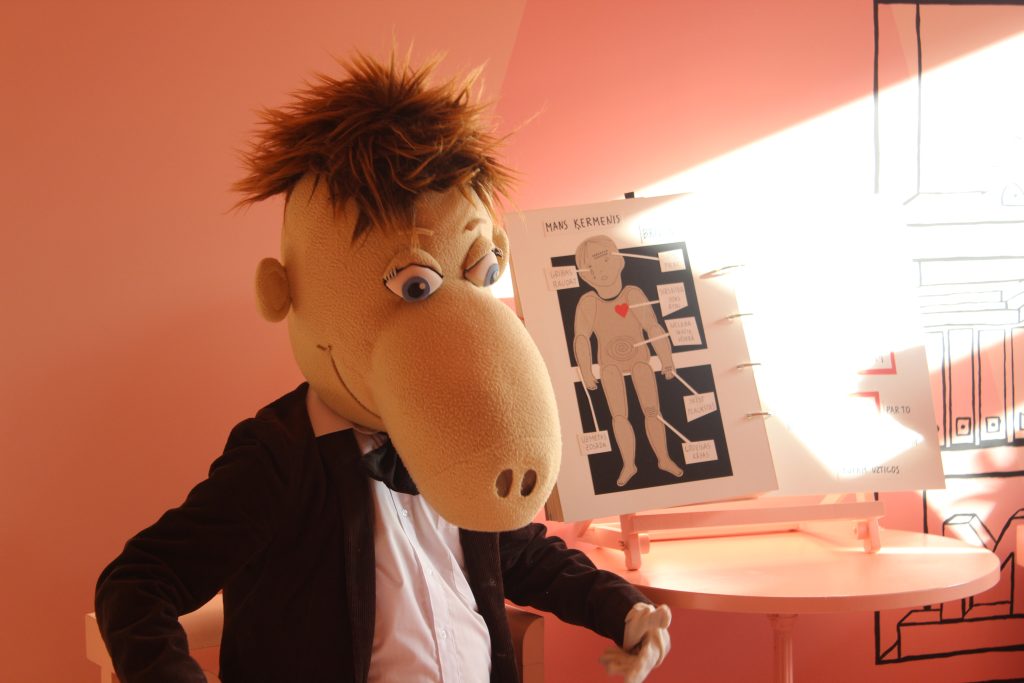
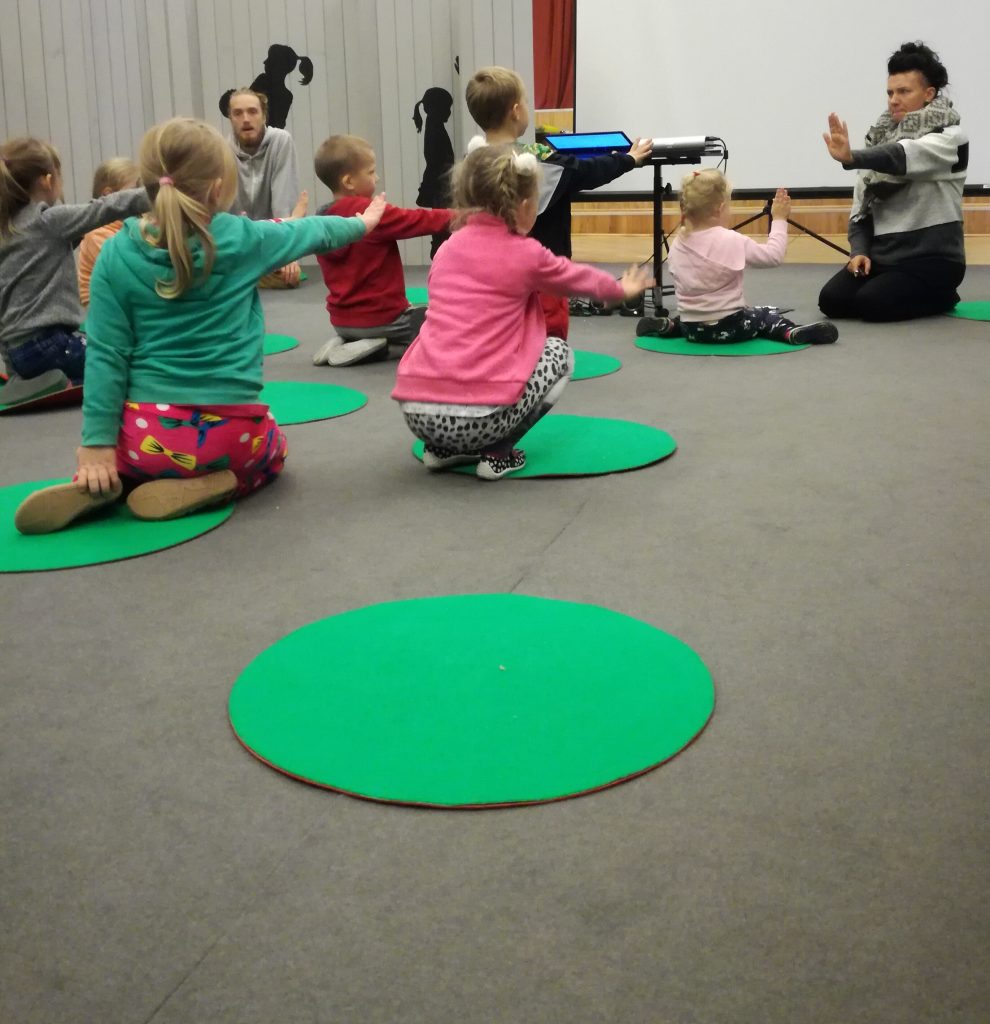
Support for school-based child abuse prevention expanded to Latvia in 2015 with a grant to Center Dardedze. The organization is recognized as Latvia’s premier child abuse treatment provider and prevention advocate. KFF provided grants for the Riga-based organization’s successful Dzimba puppet program. Using a life-size character and a hand puppet version, the Dzimba character provides information about personal safety that children can understand and enjoy. Similar to the program in Moldova, kids learn what’s OK and what’s not, and acquire strategies to protect themselves. KFF partnered with the Latvian Judicial Training Centre to hold a 2017 seminar which provided training on child abuse legal issues to 120 judges and prosecutors.
The arrival of the pandemic in 2020 severely affected school based programs and virtually ended this method of child abuse prevention message delivery. War in Ukraine dramatically affected neighboring Moldova, where charities leapt into triage mode to help child refugees. Donations to KFF reduced as the strength of our mission story declined. These challenges led KFF to reconsider its traditional grant-making activities, and this multi-year reflection resulted in the changes being heralded for 2024.
Since 1999, KFF has raised nearly $750,000 from donors and travel auction activities, and made grants in excess of $600,000. All of this has been accomplished through all-volunteer support, without paid staff, and not a penny deducted for fundraising and overhead expenses.